
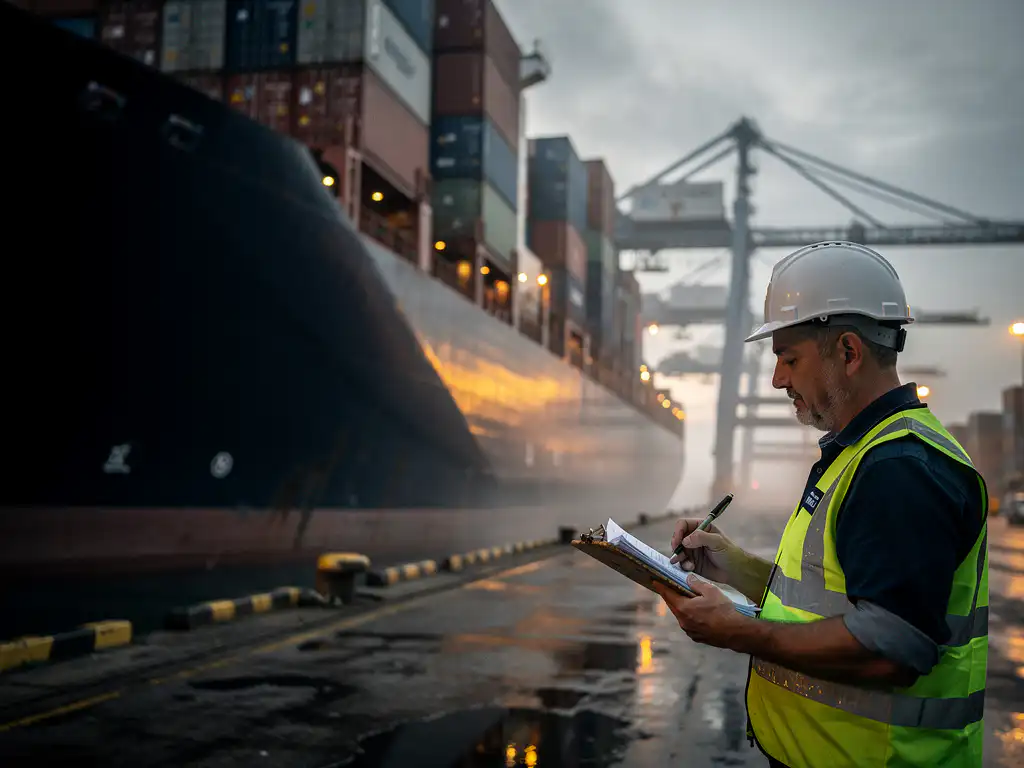
Internationale handel heeft zijn eigen vocabulaire, en weinig termen zorgen voor zoveel verwarring bij kmo-eigenaars als de Incoterms die bepalen wie wat betaalt en wie het risico draagt. CFR, ofwel Cost and Freight, is een van de meest gebruikte termen in het zeevervoer, maar de verantwoordelijkheden ervan worden vaak verkeerd begrepen. Of u nu goederen in het buitenland koopt of verkoopt, precies weten hoe CFR werkt kan u geld besparen, geschillen voorkomen en uw toeleveringsketen soepel laten verlopen.
Wat betekent CFR in internationaal transport?
CFR staat voor Cost and Freight en is een Incoterm die uitsluitend van toepassing is op zee- en binnenvaart. Onder CFR is de verkoper verantwoordelijk voor het regelen en betalen van de zeevracht om de goederen naar de overeengekomen bestemmingshaven te brengen. De koper neemt het risico over vanaf het moment dat de lading aan boord van het schip wordt geladen in de haven van oorsprong.
CFR is een van de elf Incoterms die zijn gepubliceerd door de Internationale Kamer van Koophandel en maakt deel uit van de groep waarbij de verkoper verantwoordelijk is voor het hoofdvervoer. De term wordt veel gebruikt in containerhandel en bulkverzendingen waarbij de verkoper sterke relaties heeft met rederijen en concurrerende vrachttarieven kan bedingen. De term wordt altijd gevolgd door een genoemde bestemmingshaven, bijvoorbeeld CFR Rotterdam of CFR Antwerpen, die de geografische reikwijdte van de kostenverplichting van de verkoper bepaalt.
Wie betaalt de vrachtkosten onder CFR?
Onder CFR betaalt de verkoper alle vrachtkosten die nodig zijn om de goederen naar de overeengekomen bestemmingshaven te brengen. Dit omvat de zeevrachtkost zelf, de kosten voor exportafhandeling en eventuele kosten voor het laden van de lading op het schip in de haven van oorsprong. De koper draagt niet bij aan deze kosten.
Deze kostenverdeling is een van de belangrijkste redenen waarom exporteurs en importeurs voor CFR kiezen. Voor een verkoper met regelmatige verzendvolumes betekent het rechtstreeks betalen van de internationale zeevracht vaak toegang tot betere tarieven dan een koper onafhankelijk zou kunnen verkrijgen. Voor de koper vermindert de eenvoud van het ontvangen van goederen in een genoemde haven zonder zelf het hoofdtraject van de zeevracht te hoeven regelen de administratieve last. Toch moet de koper nog steeds budgetteren voor bestemmingskosten zoals havenafhandeling, invoerrechten en binnenlands transport, die volledig buiten de verplichting van de verkoper vallen onder CFR.
Wanneer gaat het risico over van verkoper naar koper onder CFR?
Het risico gaat over van verkoper naar koper in de haven van oorsprong, op het moment dat de goederen aan boord van het schip worden geladen. Dit is een cruciaal punt dat veel kopers over het hoofd zien: hoewel de verkoper de zeevracht blijft betalen tot aan de bestemmingshaven, draagt de koper al het risico gedurende de volledige zeereis.
Deze splitsing tussen kostenverantwoordelijkheid en risicoresponsabiliteit is wat CFR onderscheidend en soms contra-intuïtief maakt. Als het schip zwaar weer tegenkomt, als containers op zee beschadigd raken of als een zending verloren gaat, valt het financiële verlies ten laste van de koper, ook al heeft de verkoper het transport geregeld en betaald. Dit is precies waarom kopers die handelen onder CFR sterk worden aangeraden om een eigen goederenverzekering af te sluiten voor de zeereis, aangezien de verkoper hiertoe geen verplichting heeft onder deze term.
Wat is het verschil tussen CFR en CIF?
Het belangrijkste verschil tussen CFR en CIF (Cost, Insurance and Freight) is dat onder CIF de verkoper ook verplicht is een minimale goederenverzekering af te sluiten ten behoeve van de koper, terwijl de verkoper onder CFR geen dergelijke verplichting heeft. In alle andere opzichten zijn de twee termen structureel identiek.
Beide termen zijn uitsluitend van toepassing op zee- en binnenvaart, beide vereisen dat de verkoper de zeevracht naar de genoemde bestemmingshaven betaalt, en beide dragen het risico over op het moment van laden. De praktische implicatie is eenvoudig:
- Onder CFR moet de koper zelfstandig een goederenverzekering regelen en betalen als hij bescherming wil tijdens de zeereis.
- Onder CIF regelt de verkoper een minimale verzekeringsdekking, hoewel kopers dit vaak aanvullen met extra dekking omdat de minimumstandaard relatief beperkt is.
Voor kopers die hoogwaardige of breekbare goederen importeren, kan CIF een zekere mate van gemak bieden. Voor verkopers geeft CFR meer controle over de kosten zonder de extra verplichting om namens de koper een verzekering te regelen.
Welke kosten zijn niet gedekt door de verkoper onder CFR?
Onder CFR eindigt de kostenverplichting van de verkoper bij de bestemmingshaven. Alle kosten die worden gemaakt nadat de goederen in de genoemde haven aankomen, zijn voor rekening van de koper. Dit omvat doorgaans havenafhandelingskosten op de bestemming, invoerdouaneafhandeling, invoerrechten en belastingen, en binnenlands transport naar het uiteindelijke afleveradres.
Kopers moeten deze kosten zorgvuldig plannen, omdat ze aanzienlijk kunnen zijn, met name in drukke Europese havens waar terminalafhandelingskosten en congestietoeslagen van toepassing zijn. Coördinatie tussen de koper, de lokale douane-expediteur, de binnenlandse vervoerder en havenautoriteiten is essentieel om vertragingen en onverwachte kosten te vermijden. Voor kmo-eigenaars die nieuw zijn in de import, is het beheren van dit laatste traject zonder ervaren ondersteuning een van de meest voorkomende bronnen van kostbare knelpunten.
Wanneer moet een bedrijf kiezen voor CFR boven andere Incoterms?
CFR is de juiste keuze wanneer de verkoper een kosten- of logistiek voordeel heeft bij het regelen van het hoofdtraject van de zeevracht en de koper in staat is de logistiek aan de bestemmingszijde zelfstandig te beheren. Het is geschikt voor gevestigde handelsrelaties waarbij beide partijen hun respectieve verplichtingen duidelijk begrijpen.
CFR werkt goed in de volgende situaties:
- De verkoper verzendt regelmatig en kan sterke containertransporttarieven bedingen bij rederijen.
- De koper beschikt over betrouwbare lokale agenten of douane-expediteurs in de bestemmingshaven.
- De lading vereist geen gespecialiseerde verzekering die de koper niet zelfstandig kan regelen.
- Beide partijen willen een duidelijke verdeling: de verkoper regelt de oorsprong en de vracht, de koper regelt de bestemming.
Als de koper weinig ervaring heeft met importlogistiek of actief is in een markt met complexe douanevereisten, kunnen termen zoals DDP (Delivered Duty Paid) geschikter zijn omdat ze meer verantwoordelijkheid bij de verkoper leggen. Omgekeerd, als de koper sterke relaties heeft met vervoerders en volledige controle wil over de gehele reis, kan FOB een betere keuze zijn.
Hoe Boschmans Steinacher helpt met maritiem transport
Navigeren door Incoterms zoals CFR is slechts één laag van de complexiteit die gepaard gaat met internationale zeevracht. De echte uitdaging voor kmo-eigenaars is de coördinatie daaromheen: de verkoper, de rederij, de haventerminal, de douane-expediteur en de binnenlandse vervoerder op één lijn brengen zodat niets tussen de mazen valt. Een ontbrekend document, een onopgeloste douanevraag of een enkel knelpunt in de bestemmingshaven kan een volledige zending stilleggen.
Boschmans Steinacher neemt die coördinatielast volledig van u over. Als familiebedrijf en onafhankelijke expediteur en logistieke dienstverlener met meer dan 125 jaar ervaring beheren wij de volledige export- en importketen van ophaling tot eindlevering, inclusief:
- Correcte voorbereiding en afhandeling van alle verzenddocumenten
- Dagelijkse opvolging en proactieve communicatie zodat u altijd weet waar uw lading zich bevindt
- Douane-expeditie en advies over complexe onderwerpen, waaronder tijdelijke invoervergunningen
- Afhandeling van niet-standaard ladingen zoals projectladingen, kunst en antiek, en speciale routes
Ons uitgebreide partnernetwerk omvat havens, rederijen en lokale agenten wereldwijd, waardoor we de reikwijdte en de relaties hebben om problemen op te lossen voordat ze vertragingen worden. Of uw zending nu onder CFR, CIF of een andere term wordt vervoerd, wij zorgen ervoor dat elke partij in de keten op één lijn zit en elk document correct is. Klaar om slimmer te verzenden? Neem contact op met Boschmans Steinacher en ontdek hoe een echte logistieke partner eruitziet.
Frequently Asked Questions
How do I verify that the seller has actually paid the freight before my goods depart?
Request a copy of the Bill of Lading (B/L) before or immediately after the vessel departs, as it confirms the cargo has been loaded and the freight arrangement is in place. If the freight is prepaid by the seller, the B/L will typically be marked ‘Freight Prepaid.’ You can also ask your freight forwarder or customs broker to cross-check the shipping documents against the agreed CFR terms before the vessel sails.
As a buyer under CFR, what cargo insurance should I arrange and how much coverage do I need?
At a minimum, buyers should take out an All-Risk marine cargo insurance policy that covers the full commercial invoice value of the goods, plus a standard markup of around 10% to account for additional costs in the event of a total loss. For high-value, fragile, or perishable cargo, work with a specialist marine insurer rather than relying on a generic commercial policy, as exclusions can leave significant gaps in coverage. Make sure the policy is in place before the goods are loaded at the port of origin, since that is the exact moment your risk begins under CFR.
What destination port charges should I budget for as a buyer under CFR?
Common destination-side costs include Terminal Handling Charges (THC), port storage or demurrage fees if customs clearance is delayed, import customs duties and VAT, customs broker fees, and inland transport to your warehouse or final delivery address. At major European ports such as Rotterdam or Antwerp, congestion surcharges and peak-season port fees can add meaningfully to your total landed cost. Building a detailed landed-cost calculation before agreeing on a CFR price is essential to avoid surprises that erode your margin.
Can CFR be used for air freight or road transport shipments?
No — CFR is strictly limited to sea and inland waterway transport under the ICC Incoterms rules. Using it for air, road, or multimodal shipments that do not move exclusively by sea is technically incorrect and can create legal ambiguity in the event of a dispute. For air freight, CPT (Carriage Paid To) is the appropriate equivalent, as it mirrors the cost-responsibility structure of CFR but applies to all modes of transport.
What are the most common mistakes SME buyers make when trading under CFR?
The single most common mistake is assuming that because the seller pays the freight, the seller also carries the risk during the ocean voyage — which is not the case. A closely related error is failing to arrange cargo insurance before the shipment departs, leaving the buyer fully exposed during transit. Other frequent pitfalls include underestimating destination port costs, not appointing a local customs broker early enough, and failing to confirm the exact named destination port in the contract, which can lead to disputes about where the seller’s cost obligation actually ends.
How does CFR interact with letters of credit and trade finance?
CFR is widely accepted by banks in letter-of-credit (L/C) transactions, and the Bill of Lading issued under a CFR shipment is typically the key document required for payment. However, buyers and sellers should ensure the L/C terms precisely match the agreed CFR conditions, including the named destination port and the required shipping documents, to avoid discrepancies that can delay payment. If you are new to trade finance, working with a freight forwarder experienced in documentary compliance — such as Boschmans Steinacher — can prevent costly document errors that hold up your funds.
When is it worth switching from CFR to DDP or FOB instead?
Switch to DDP (Delivered Duty Paid) if you are importing into a market with complex customs regulations, high duty rates, or where you lack a trusted local agent — DDP shifts all of that responsibility to the seller. Choose FOB instead if your company has strong relationships with shipping lines and wants full control and visibility over the entire ocean journey, including the ability to negotiate your own freight rates. The right Incoterm ultimately depends on where each party’s logistical strengths and risk appetite lie, and it is worth reviewing this decision for each trade lane or supplier relationship rather than applying one term universally.
Related Articles
- Welke expediteur is gespecialiseerd in transport van bouwmaterialen?
- Is een zeecontainer vergunningsvrij?
- Hoe wordt een waterreinigingsinstallatie voorbereid voor zeevervoer?
- Wat zijn de voordelen van een lokale expediteur in Antwerpen?
- Wat is de impact van brexit op expediteursdiensten vanuit Antwerpen?